

Written by Toby Dankbaar, Laundrlab co-owner · Updated 28 July 2026
When to use hot water for laundry, and why it matters
For years, “wash it on hot” was basically everyone’s laundry advice. Then cold washing became more popular. Better for energy bills, gentler on fabrics, and often perfectly effective for everyday clothes.
Both hot and cold water have their place. Knowing when to use hot water can make a huge difference to how clean, fresh, and hygienic your laundry actually becomes.
While cold water works brilliantly for many loads, some fabrics and situations genuinely benefit from a hotter wash.
In this article we’ll cover when to use hot water for laundry, and why it matters.
The quick answer
| Temperature | Generally suitable for |
|---|---|
| Cold: approximately 20–30°C | Everyday clothes, dark colours, delicates, activewear and many stains |
| Warm: approximately 40°C | Colourfast cotton, towels and moderately soiled household laundry |
| Hot: approximately 60°C or above | Suitable bedding for dust mite control and some illness-related or heavily contaminated laundry |
These are general categories rather than universal rules. Washing-machine settings vary, and the care label should always take priority.
What counts as a hot wash?
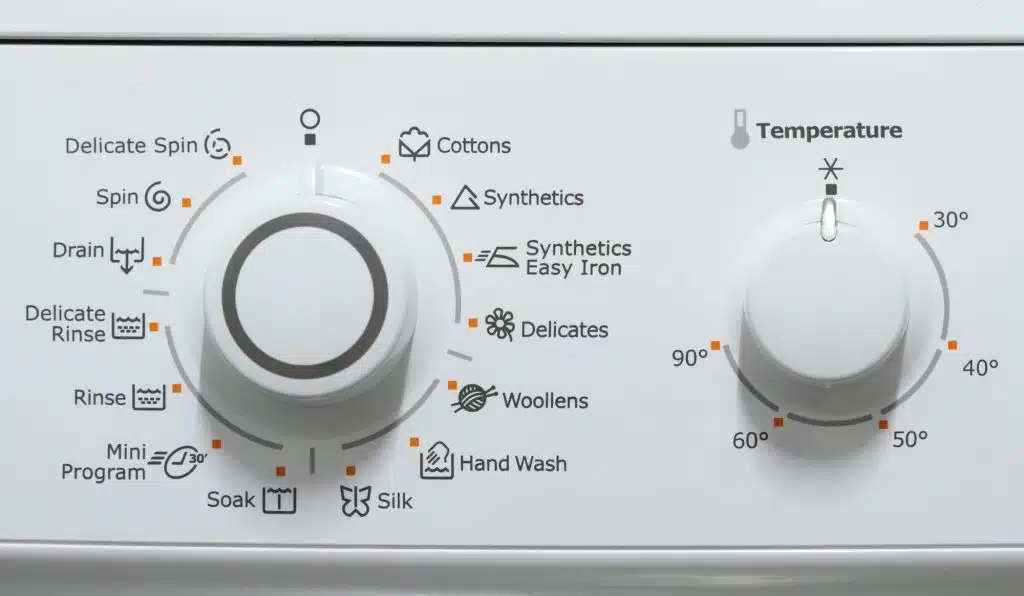
In Australian laundry advice, a wash at approximately 60°C is generally considered hot. A 40°C cycle is better described as warm, while cold cycles typically operate at or below 30°C.
The temperature shown on a washing machine is usually the selected wash temperature. It does not necessarily mean every part of the cycle remains at exactly that temperature for the same length of time.
This distinction matters because effective laundering does not depend on temperature alone. The result comes from a combination of:
- Water temperature
- Detergent chemistry
- Cycle length
- Mechanical action
- Correct loading
- Rinsing
- Thorough drying
A short 60°C cycle is not automatically better than a well-chosen lower-temperature cycle with the right detergent.

When should you use hot water for laundry?
Before you get started, always check the care label before choosing your temperature. If you’re unsure what these symbols mean, check out our laundry symbol guide.
1. When controlling dust mites in suitable bedding
Hot washing can be useful for people with a diagnosed dust mite allergy or dust mite-triggered asthma.
The Australasian Society of Clinical Immunology and Allergy recommends washing sheets, pillowcases and other bedding weekly in water hotter than 60°C to kill dust mites and remove the allergens they produce. Read its allergen-minimisation guidance.
Before using this temperature, check that the bedding can safely tolerate it. Some fabrics, protectors and filled bedding may shrink or become damaged in hot water.
People without a dust mite allergy do not necessarily need to wash every sheet load at 60°C. Laundrlab’s guide explains how often you should wash your bed sheets based on your household and sleeping habits.
2. During certain illnesses
A warmer or hot wash may be appropriate when clothing, towels or bedding have been contaminated with vomit or diarrhoea.
Healthdirect Australia recommends washing contaminated clothing and bedding using detergent and hot water. Check the care label first and handle soiled items carefully to avoid spreading contamination. Read the Healthdirect gastroenteritis guidance.
3. When dealing with bed bugs
Bed bugs require a targeted treatment process rather than an ordinary laundry routine.
Healthdirect advises washing affected bedding and clothing in water above 60°C and tumble drying them on a hot setting for at least 30 minutes. Other areas and belongings must also be treated, so washing alone will not necessarily eliminate an infestation. Follow the complete Healthdirect bed bug guidance.
4. For some heavily soiled, colourfast items
Warm or hot water may help loosen certain oily or greasy soils, provided the fabric is colourfast and the care label allows it.
Potential examples include:
- Greasy cotton workwear
- Colourfast tea towels
- Some kitchen cloths
- Durable white cotton items
- Heavily soiled cotton towels
However, pre-treating the affected area, using an appropriate detergent and selecting a longer suitable cycle may be more important than increasing the temperature.
Start by removing loose dirt and treating the specific stain. Avoid placing a stained item in a hot wash until you know whether heat is suitable for that type of stain.

Do towels need to be washed in hot water?
Not necessarily.
Towels collect body oils, skincare products, detergent and moisture, but that does not mean every towel load needs a 60°C wash. Many towels can be cleaned effectively using detergent on a warm cycle, followed by complete drying.
For better towel results:
- Check the care label
- Wash similar colours together
- Avoid overloading the machine
- Use the recommended detergent amount
- Avoid excessive fabric softener
- Remove towels promptly after washing
- Dry them completely before folding or storing
If your towels still smell after washing, the problem may be overloading, excess detergent, incomplete drying or leaving them damp—not simply an insufficient water temperature.
Read our complete guide to why towels still smell after washing and how to fix them.
Should white clothes be washed in hot water?
White fabric is not automatically safe to hot wash.
Some durable white cotton items can tolerate higher temperatures, but a garment may also contain:
- Elastic
- Printed details
- Synthetic fibres
- Adhesives
- Delicate stitching
- Finishes that can be damaged by heat
Check the care label rather than choosing the wash temperature based only on colour.
Dull or yellowing whites may be caused by incorrect detergent dosing, dye transfer, body-oil build-up, overloading or inappropriate stain treatment. A suitable laundry booster or oxygen-based product may be more useful than simply increasing the temperature. Always follow the product and fabric instructions.
Does hot water remove stains better?
Not always. Hot water can make some stains harder to remove.
Blood is the clearest example. Heat can cause protein-based stains to bind more firmly to fibres. CHOICE recommends rinsing or soaking blood-stained fabric in cold water rather than treating it with hot water. See CHOICE’s blood-stain removal advice.
Cold water is generally the safer first step for:
- Blood
- Milk and dairy
- Egg
- Other protein-based stains
- Unknown stains
- Stains on heat-sensitive fabrics
For any stain:
- Check the care label.
- Act before the stain dries where possible.
- Remove excess material without spreading it.
- Identify the stain before applying heat.
- Use a stain treatment suitable for the fabric.
- Check the stain before tumble drying.
A dryer can also set some residual stains, so do not machine dry the item until the mark has been removed.
For more detailed advice, view our A-Z guide to removing common clothing stains.
Does hot water kill germs in laundry?
Higher temperatures can reduce microorganisms, but “hot” does not automatically mean “sterile”.
The outcome depends on the temperature reached, how long it is maintained, the detergent or laundry product used, the organism involved and the drying process. Domestic washing is also different from validated hospital-laundry disinfection.
For routine household laundry, detergent, agitation, rinsing and complete drying work together to remove soil and reduce microbial contamination. You generally do not need to disinfect ordinary clothing simply because it has been worn.
Where someone is sick or particularly vulnerable, follow specific health advice and use the warmest setting permitted by the care label.

When should you avoid hot water?
Avoid hot washing unless the care label specifically permits it for:
- Wool and silk
- Delicate fabrics
- Dark or brightly coloured clothes prone to fading
- Activewear and stretch fabrics
- Bras and garments containing elastic
- Printed or embellished clothing
- Items with glued components
- Clothing likely to shrink
- Unknown stains, particularly possible protein stains
Hot water may contribute to fading, shrinkage, fibre damage or loss of elasticity. It can also set some stains before the detergent has an opportunity to remove them.
If you are unsure what the care-label symbols mean, use Laundrlab’s complete guide to laundry symbols.
Is cold water usually the better choice?
For ordinary, lightly soiled household clothing, cold water is usually a sensible default.
The Australian Government advises that heating water is by far the largest use of energy when washing fabric. Washing in cold water therefore saves energy and money. See the government’s household appliance guidance.
Cold washing can also:
- Help protect dark and bright colours
- Reduce the risk of shrinkage
- Be gentler on many fabrics
- Reduce household energy consumption
- Work well with detergents formulated for cold water
CHOICE testing has found only a small overall cleaning improvement from washing in warm rather than cold water, with results varying according to the detergent and stains involved. Read CHOICE’s detergent buying guide.
That does not mean cold water will solve every laundry problem. It means higher temperatures should be selected for a reason rather than used automatically.
Cold, warm or hot: a practical decision guide
Choose cold water when:
- The clothes are lightly or normally soiled
- You are washing dark or brightly coloured garments
- The items contain elastic or technical fibres
- You are treating blood or another protein stain
- The care label requires a cool wash
- You want to reduce energy use
Consider warm water when:
- Colourfast household laundry is moderately soiled
- Cotton towels or bedding need more cleaning than a cold cycle provides
- The care label allows 40°C
- Your detergent performs better in warm water
- Oily soil remains after appropriate pre-treatment
Consider hot water when:
- Authoritative health advice recommends it for a specific illness
- Suitable bedding is being washed for dust mite control
- You are following bed bug treatment advice
- Durable, colourfast items are heavily contaminated
- The care label allows the required temperature
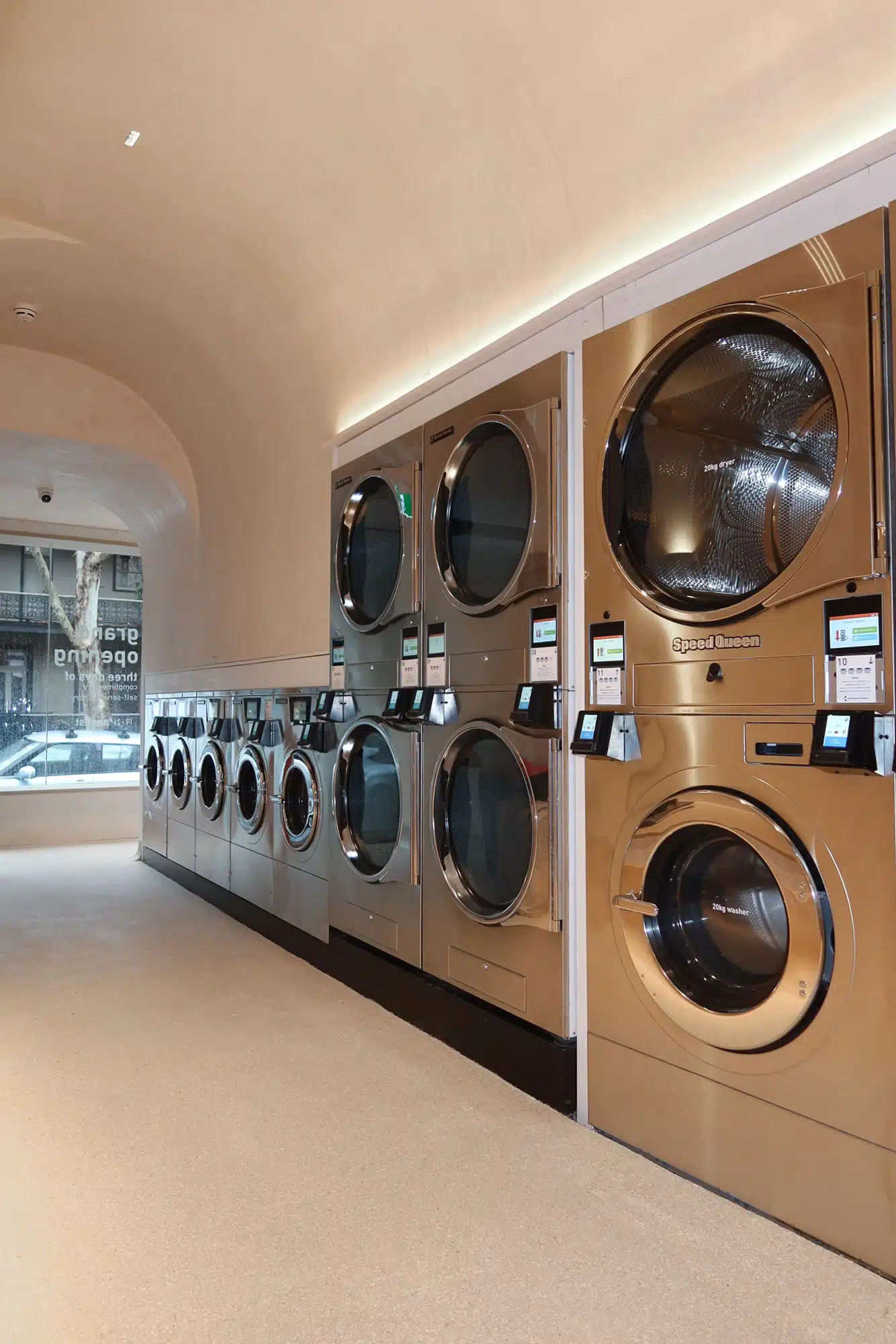
Washing bulky hot-water loads at a laundromat
Temperature is only one part of an effective wash.
Read the care label
The label tells you the maximum safe washing temperature and whether the item requires a gentle, hand-wash or specialist process.
Choose an appropriate detergent
Use a detergent designed for your machine and selected temperature. Some enzyme-based detergents are specifically formulated to perform in cold water.
Measure the detergent correctly
Too little detergent may not remove the soil. Too much can be difficult to rinse and may leave clothing or towels feeling coated.
Follow the detergent manufacturer’s dose for the load size, soil level and local water conditions.
Don’t overload the machine
Laundry needs room to move. A tightly packed drum can prevent water and detergent from reaching the entire load and make rinsing less effective.
Select the right cycle
A suitable cycle length and level of mechanical action can matter as much as temperature. Use a cycle designed for the fabric and level of soiling.
Dry everything completely
Prompt, thorough drying helps prevent musty smells. Remove the load soon after the cycle ends and dry it using a method permitted by the care label.
Washing bulky hot-water loads at a laundromat
Bedding, large towel loads and bulky washable items need enough space to move freely. Forcing them into a small home machine can result in uneven washing and poor rinsing.
Laundrlab’s commercial machines provide higher-capacity options for large household loads at our Balmain, Bondi and Potts Point locations.
Always check the item’s care label before selecting a wash temperature. Laundrlab machines provide several temperature options, but the hottest setting is not automatically the best one.
Learn why laundromat washers can be better for bulky loads or find your nearest Laundrlab location.
Final Thoughts
Hot water still has an important place in modern laundry, but most loads do not need it.
Use cold water for everyday clothing and temperature-sensitive items. Consider warm water for suitable, moderately soiled household laundry. Reserve hot water for defined hygiene, contamination or allergen-control situations where the fabric can safely tolerate it.
When in doubt, follow three rules:
- Read the care label.
- Identify the stain or hygiene need.
- Use the coolest temperature that will do the job effectively.
That approach protects your clothing, reduces unnecessary energy use and still gives you a properly cleaned load.
FAQs
Cold water is suitable for most lightly or normally soiled clothing. It uses less energy and is generally gentler on colours and fibres. Hot water is better reserved for specific hygiene or allergen-control situations where the care label permits it.
Some durable, colourfast cotton items can be hot washed, but fabric colour alone is not enough to decide. Always check the care label. Delicates, wool, silk, activewear, elastic-containing garments and fade-prone colours generally should not be washed hot.
A 40°C wash is generally considered warm. A 60°C cycle is commonly described as hot. However, washing-machine programs differ, so check your machine instructions.
A 60°C wash can reduce many microorganisms, but the result also depends on cycle duration, detergent, contamination and drying. A domestic hot wash should not automatically be described as sterilising laundry.
Not necessarily. Many towels can be cleaned effectively on a warm cycle using the correct detergent and thorough drying. A hotter wash may be appropriate in a specific hygiene situation, provided the care label permits it.
A 60°C wash may be recommended for suitable bedding when controlling dust mites or responding to particular illnesses. Routine bedding should otherwise be washed according to its care label and the needs of the household. Always read the care instructions on your bedding and clothing.
It depends on the stain. Heat may help with some oily soils, but it can set protein-based stains such as blood, milk and egg. Treat an unknown stain in cold water first and avoid tumble drying until it has disappeared.
Yes. Heating water is the largest source of energy use during many wash cycles. Choosing cold water for suitable loads can therefore reduce energy consumption and household costs.
Related link: https://www.energy.gov.au/households/appliances
Disclaimer: The advice provided in this article is meant for general informational purposes only. Always refer to the care instructions provided by the manufacturer for your specific laundry machines and clothing/bedding items, as well as relevant medical or public-health advice.
Related articles

Best Practices for Sanitising Laundry During Flu Season or Illness
You don’t need harsh chemicals or complicated routines to sanitise laundry properly. With the right temperatures, timing, and habits, you can clean clothes, bedding, and towels safely...
read more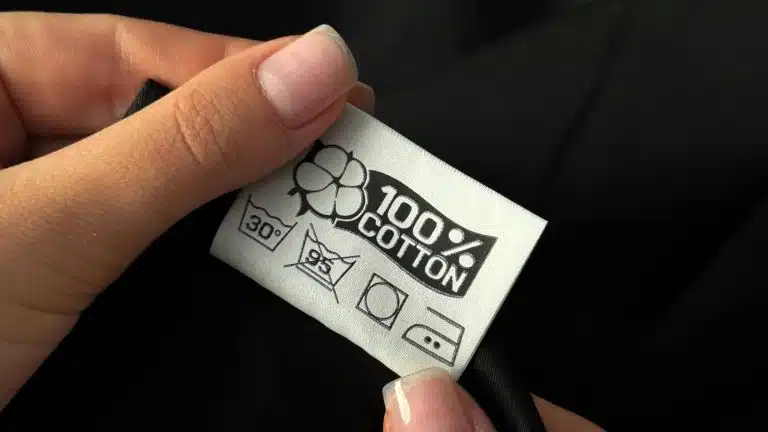
Every Laundry Symbol Explained
Not sure what those washing label symbols mean? This all-in-one guide breaks down every laundry symbol, washing, drying, bleaching, ironing, and dry cleaning, so you can care...
read more